


3 African Countries With the Most Rare Earth Production
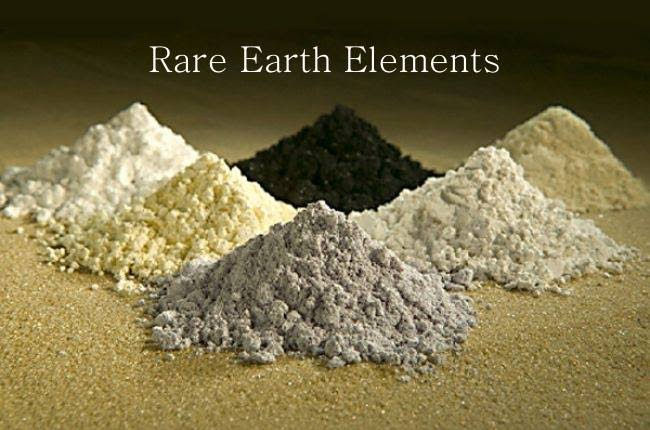
Rare earth elements (REEs) are the invisible engine of modern civilization. They power smartphones, electric vehicles, renewable energy systems, aerospace technologies, robotics, medical devices, and even national defense equipment. Although they are called “rare,” these elements are actually abundant — but extracting them is complex, costly, and dominated by a small number of countries.
Today, as global demand skyrockets and countries scramble to secure long-term supply, Africa is stepping into a new era.
The continent — already a proven natural resource powerhouse — is emerging as a strategic player in the rare earth sector. With rising exploration spending, new mines under development, and production levels increasing each year, Africa is positioning itself as an indispensable contributor to the world’s technological and green-energy future.
Among the many African countries with rare earth potential, three stand out for their production capacity: South Africa, Tanzania, and Nigeria.
These nations are shaping a new narrative — one where Africa is not just a supplier of raw materials but a cornerstone of global innovation.
1. South Africa — Africa’s Most Advanced Rare Earth Producer

South Africa remains the continent’s most established and technically advanced rare earth producer. The country is home to some of the world’s highest-grade REE deposits, supported by decades of mining expertise and strong geological data.
Key Projects and Deposits
Steenkampskraal Mine (Western Cape) — one of the highest-grade rare earth deposits globally, rich in neodymium, praseodymium, and dysprosium, essential for EV motors and high-performance magnets.
Zandkopsdrift Project — one of the largest deposits in Africa in terms of tonnage.
Phalaborwa Project — unique for recovering rare earths from mining waste (phosphogypsum), showcasing environmentally sustainable extraction.
Why South Africa Leads
Most advanced mining infrastructure in Africa
Skilled technical workforce
Strong production forecasts
Ability to process, refine, and add value locally
South Africa’s rare earth production offers the world a critical alternative to Asia-dominated supply chains. As demand for green energy accelerates, the country’s ability to produce high-grade REEs places it at the forefront of Africa’s rare earth revolution.
2. Tanzania — A Rising Force With World-Class Deposits
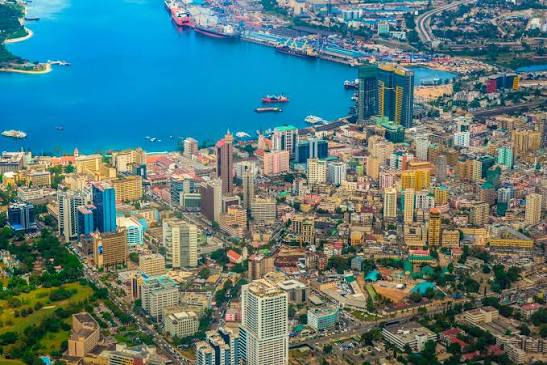
Tanzania is quickly becoming one of the most significant rare earth producers in Africa. Though full-scale production is still ramping up, the country’s output is already contributing to the continent’s rare earth supply — and its reserves place it among the most promising globally.
Ngualla Rare Earth Project — Tanzania’s Crown Jewel
The Ngualla deposit is one of the world’s largest and highest-grade rare earth resources. It is exceptionally rich in neodymium and praseodymium, which are vital for renewable energy technologies and electric vehicles.
Why Tanzania Is Important
Rapidly rising production
Strong government support and foreign investment
High ore quality and relatively low extraction cost
Seen as one of the fastest-emerging REE producers globally
Tanzania’s progress signals Africa’s potential to rise beyond its traditional commodities and tap into minerals that shape the future of global technology.
3. Nigeria — An Emerging Producer With Rapid Growth Potential

Nigeria may be better known for its oil and gas reserves, but the country is quietly joining the rare earth race. Recent exploration and geological surveys have confirmed commercially viable deposits of rare earth elements, particularly in northern and central regions.
Nigeria has begun producing and exporting small but steadily growing quantities of rare earth minerals, especially in informal and semi-formal mining sectors. With increasing investor interest and government reforms targeting solid minerals, rare earths are becoming a strategic priority.
Key Rare Earth Regions in Nigeria
Nasarawa State
Kogi State
Kaduna State
Bauchi and Plateau regions
These zones are rich in monazite and xenotime sands containing critical REEs such as cerium, lanthanum, neodymium, and yttrium.
Why Nigeria Is Rising
Large, unexplored geological potential
Government shift from oil dependency to solid minerals
Growing foreign investment and partnerships
Rising artisanal and medium-scale production
Nigeria’s entry into rare earth production expands Africa’s supply footprint and solidifies the continent’s standing as a global mineral powerhouse.
Africa: The Natural Resource Powerhouse the World Must Not Ignore
Africa has always been rich in natural resources — gold, diamonds, coltan, lithium, cobalt, copper, oil, and now rare earths. But the rise of rare earth production across South Africa, Tanzania, and Nigeria marks a turning point.
Here’s why the world stands to gain from Africa’s rare earth boom:
1. Diversified Global Supply
The world has depended on a single region for most of its rare earths for decades. Africa reduces that dependence and provides supply stability for global industries.
2. Green Energy Acceleration
Rare earths are key to electric vehicles, wind turbines, solar technologies, robotics, and other clean-energy innovations. African production helps the world meet sustainability goals faster.
3. A More Balanced Global Economy
With Africa contributing more to strategic mineral supply chains, global partnerships become more balanced, equitable, and mutually beneficial.
4. Investment and Industrial Growth
African countries can use rare earth revenue to:
Build local refineries
Establish magnet manufacturing plants
Develop EV and battery component industries
Create jobs and technological ecosystems
This is an opportunity to shift from exporting raw minerals to exporting value-added products.
Africa’s Rare Earth Future — A Pathway to Global Influence
To truly benefit from this rare earth momentum, African countries must avoid the old patterns that kept the continent at the bottom of the value chain. Instead, they must pursue:
Transparent governance
Sustainable mining practices
Local processing and refining capacity
Stronger regional trade collaboration
Skill development and technology transfer
If these elements align, Africa’s rare earth sector will not only supply the world — it will reshape the world.
Rare earths represent more than minerals.
They represent Africa’s chance to redefine its economic destiny.
South Africa, Tanzania, and Nigeria are leading Africa’s entry into the global rare earth arena. Their combined production strengthens global supply chains, boosts green technologies, and positions Africa as a pivotal player in the race toward a sustainable future.
For the first time in a long time, Africa is not just contributing resources — it is contributing strategic value.
The world needs Africa’s rare earth minerals.
And Africa, finally, is ready to take its rightful place at the center of global innovation.


Comments