


Police Brutality in Nigeria: The Death of Mine Ogidi and the Questions Nigeria Must Answer


Sometimes, a story breaks through the noise of everyday life and forces a nation to stop.
Not because it is unusual.
But because it is painfully familiar.
The death of Mene Ogidi, a 28-year-old man in Delta State, has become one of those stories, one that has stirred grief, outrage, and difficult conversations across Nigeria.
Reports say Ogidi was in police custody in Effurun>, restrained and no longer a threat when he was fatally shot by a police officer in an incident captured on video and widely shared online. The officer identified as Nuhu Usman> was arrested, and police authorities say he and other officers involved are facing disciplinary action and prosecution.
But beyond arrests and official statements lies a deeper question:
How many more painful stories must Nigerians witness before trust between citizens and law enforcement can truly be rebuilt?
When Justice Comes Too Late

The heartbreaking reality about many conversations on police brutality in Nigeria is that justice often arrives after irreversible damage has already been done.
A family loses a son.
A mother loses a child.
Friends lose someone they laughed with days before.
Dreams are cut short.
And what remains is grief, anger, and unanswered questions.
In the case of Mene Ogidi, the public reaction has been intense because the story touches a nerve many Nigerians know too well, the fear that power in the wrong hands can quickly become deadly.
For years, citizens have called for accountability, professionalism, and respect for human dignity in policing.
Yet incidents like this reopen old wounds.
They remind people of painful memories they hoped the country was moving beyond.
The Human Life Behind the Headlines (Police Brutality in Nigeria)
One of the dangers of news cycles is that names quickly become headlines.
Then headlines become trends.
Then trends fade.
But Mene Ogidi was not simply a headline.
He was a human being.
Someone’s child.
Someone’s friend.
Someone who had a story, dreams, and a future he was still building.
This is what makes stories of police brutality in Nigeria so painful, not only the act itself, but the reminder that human life can sometimes be treated too lightly.
Every life matters.
Every Nigerian deserves dignity.
Every citizen deserves lawful treatment, no matter the accusation.
Justice is not meant to be decided in anger, fear, or abuse of authority.
Justice belongs to the law.
Why Police Reform Is Still a National Conversation
Nigeria has had this conversation before.
Citizens have demanded change.
Voices have risen against abuse of power.
Promises of reform have been made.
Yet many still feel unsafe.
The death of Mene Ogidi has again brought national attention to the urgent conversation around police brutality in Nigeria.
Reform cannot simply be words spoken after tragedy.
It must be seen in:
Better training for officers
Strong accountability systems
Mental and psychological evaluations for armed personnel
Strict consequences for abuse of authority
Respect for human rights in every operation
Trust is not built by uniforms alone.
Trust is built by conduct.
When citizens see fairness, professionalism, and accountability, confidence grows.
When they see violence, fear grows.
A Country Tired of Mourning
Perhaps the deepest emotion many Nigerians feel is exhaustion.
Exhaustion from grieving stories that should never happen.
Exhaustion from outrage that feels repetitive.
Exhaustion from hoping each painful incident will be the last.
Nigeria is a nation full of hardworking, hopeful people trying to build better lives.
People deserve safety.
They deserve justice.
They deserve institutions that protect life, not take it unlawfully.
The country cannot continue normalizing tragedy.
Lives are not statistics.
Families are not collateral damage.
Human dignity is not optional.
What Justice Must Look Like
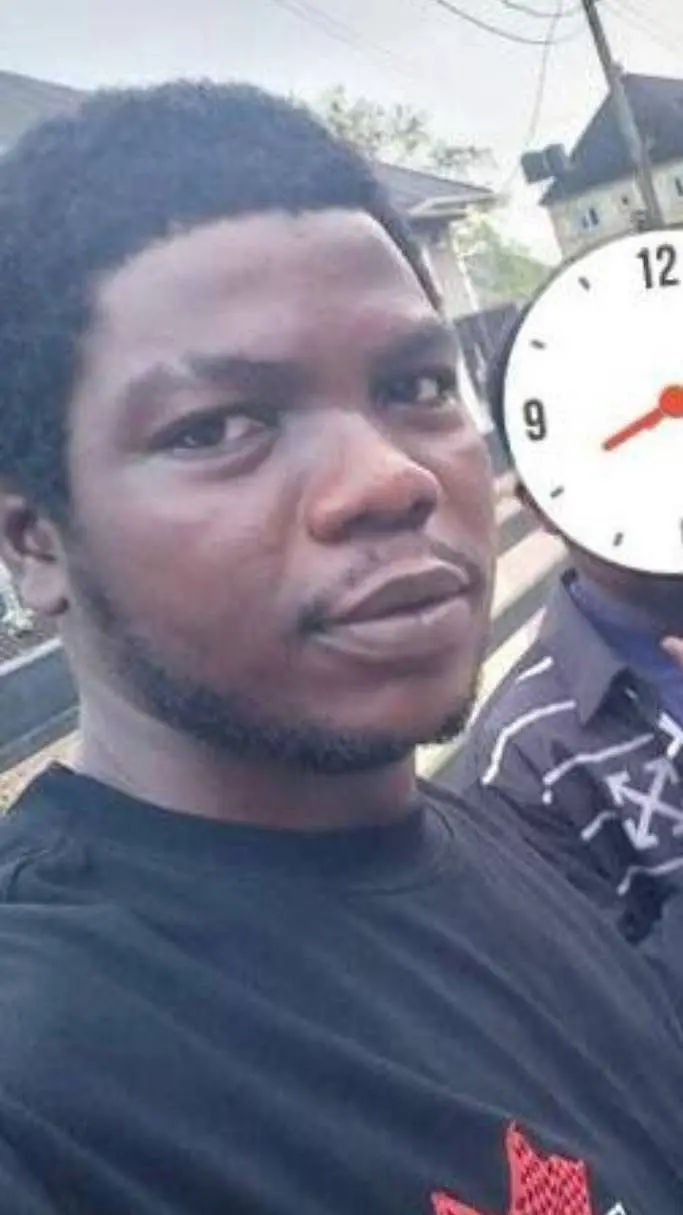
Justice for Mene Ogidi must be more than a statement.
It must be transparent.
It must be lawful.
And it must send a clear message that no badge gives anyone the right to unlawfully take life.
Authorities have publicly stated that the officers involved will face disciplinary and legal consequences, including prosecution.
For many Nigerians, what happens next matters deeply.
Because accountability in one case can begin rebuilding confidence in a system many have long questioned.
The story of Mene Ogidi is painful.
But perhaps pain can also become a turning point.
A turning point toward accountability.
Toward reform.
Toward a Nigeria where citizens do not fear those sworn to protect them.
And toward a country where justice is not only spoken about after tragedy, but lived through action every day.
Because one life lost unjustly is one too many.
By Deborah O.D Igberi


Comments