


Recurring Flooding in Bayelsa State: A Result of Inadequate Drainage Infrastructure

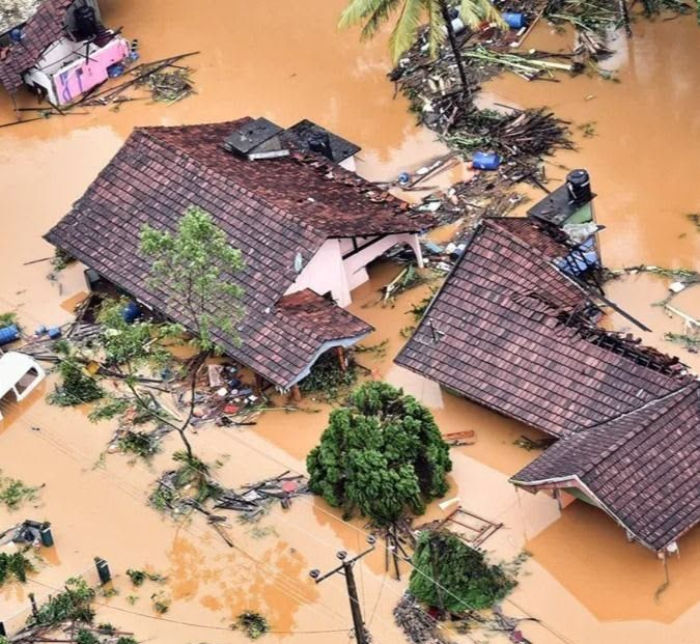
Flooding has become one of the most persistent environmental and infrastructural challenges facing Bayelsa State. Every rainy season, many communities across the state experience severe flooding that disrupts movement, damages property, affects businesses and threatens public health. What should simply be seasonal rainfall sometimes turns into a widespread hardship for residents.
Flooding in Bayelsa is often linked to the state’s riverine geography, low-lying terrain and proximity to numerous creeks and rivers. A major contributing factor is the poor condition of drainage infrastructure across many parts of the state. Inadequate drainage systems continue to worsen the effects of rainfall, turning ordinary downpours into recurring emergencies.
Understanding the Drainage Challenge in Bayelsa
Drainage systems are essential in every urban environment because they provide channels through which excess rainwater can be collected and redirected safely away from roads, homes and public spaces. In many areas of Bayelsa, however, this system is either insufficient or poorly managed.
Some communities lack drainage channels entirely. In others, the existing gutters are narrow, damaged, shallow, or poorly connected to natural waterways. Many drainage paths are blocked by sand, debris, weeds and household waste, reducing their ability to carry water during periods of heavy rainfall. As a result, rainwater accumulates rapidly and remains trapped in residential neighborhoods, streets, and major roads.
This challenge becomes even more serious during periods of prolonged rainfall when the volume of water exceeds the limited capacity of the available drainage network. Because the water cannot drain effectively, it spills over into surrounding communities and remains there for hours or even days.
The Impact of Flooding on Communities
The effects of recurring flooding in Bayelsa go far beyond inconvenience. For many residents, flooding has become a major disruption to everyday life and a barrier to social and economic stability.
Roads often become submerged and difficult to navigate. Vehicles break down in flooded areas, transport costs rise, and movement becomes stressful for both drivers and pedestrians. In some cases, roads become completely impassable, cutting off access between neighborhoods and communities.
Families living in flood-prone areas frequently experience damage to homes and personal property. Water entering residential buildings destroys furniture, electronics, important documents and household supplies. In severe cases, people are forced to temporarily relocate until the floodwater reduces.
The economic effects are equally significant. Traders and business owners lose customers when roads are inaccessible. Market activities slow down, commercial transportation is affected and workers struggle to reach their workplaces on time. This leads to reduced productivity and financial losses for households that already face economic pressure.
Public Health Risks Associated with Flooding
Beyond physical and economic damage, recurring flooding also creates serious health concerns. Floodwater often mixes with waste, sewage, and contaminated runoff, exposing residents to unsafe environmental conditions.
When stagnant water remains in open spaces for long periods, it becomes a breeding ground for mosquitoes, increasing the spread of mosquito-borne diseases. Contaminated water can also contribute to infections and other health complications, especially among children and elderly residents.
Flooded environments also create sanitation challenges. Overflowing drains, accumulated refuse, and polluted standing water reduce overall environmental hygiene and can lead to outbreaks of disease if not addressed quickly.
This makes flooding in Bayelsa not only an infrastructural issue but also a public health concern that requires urgent attention.
Poor Waste Disposal and Environmental Neglect
Another important factor contributing to flooding in Bayelsa is poor waste management. In many areas, drainage channels are used as dumping points for refuse. Plastics, food waste, bottles and other debris are often thrown into gutters and waterways, especially in densely populated neighborhoods.
During rainfall, these materials block water channels and prevent free drainage. Even properly constructed drainage systems become ineffective when clogged with waste. Water then overflows onto roads and into nearby properties.
Environmental neglect and irregular maintenance worsen the situation. Without consistent clearing of drainage paths before and during the rainy season, blocked channels continue to reduce the efficiency of water flow across communities.
The Need for Long-Term Solutions
Government authorities need to prioritize the construction of wider, deeper, and more effective drainage systems, particularly in flood-prone urban and residential areas. Existing drainage channels should be rehabilitated, expanded where necessary, and maintained regularly to ensure proper water flow.
Urban planning must also play a major role. Roads, housing developments, and public infrastructure should be designed with drainage considerations from the beginning. Building without proper water management planning only increases the risk of future flooding.
At the community level, residents also have a responsibility to protect the environment by avoiding indiscriminate waste disposal and participating in sanitation efforts. Public awareness campaigns can help educate communities on how environmental habits directly affect flooding.
A coordinated effort between government institutions, local authorities, and residents is necessary if the problem is to be managed effectively.


Comments