


The Biggest Misconception about Branding
- Judith Nnakee

- Jul 11
- 5 min read
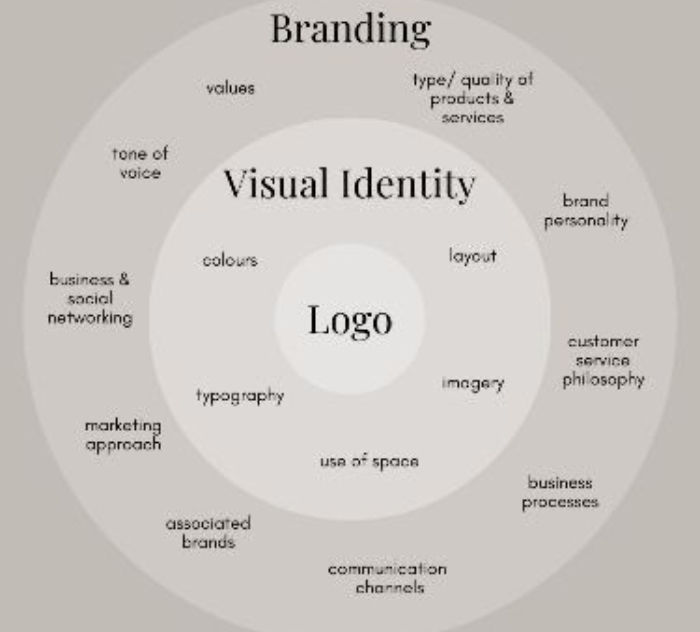
One of the biggest misconceptions about branding is that it’s all about appearance.
Ask someone what comes to mind when they hear the word “branding” and they’ll probably mention logos, colours, fonts, packaging, or a well-designed website. None of those answers are wrong, but they only scratch the surface. Branding is much deeper than visual identity. In fact, some of the strongest brands in the world aren’t memorable because of how they look—they’re memorable because of how they make people feel.
Think about the last time you recommended a business to someone. Chances are, you didn’t describe their logo or the colours on their website. You probably said something like, “Their customer service is amazing,” or, “They’re reliable,” or, “You can trust them.” That’s branding.
People don’t remember every detail about a business. They remember the experience. That experience is shaped by every interaction they have with you. It’s shaped by how quickly you respond to messages, how you handle mistakes, how you communicate, how consistently you deliver your products or services, and whether your actions match the promises you make. Those moments create an impression that lasts much longer than any marketing campaign.
Many new business owners spend months trying to perfect their logo before they even have a customer. They invest heavily in graphic designers, colour palettes, business cards, and social media templates. While there’s nothing wrong with wanting your business to look professional, appearance alone doesn’t create loyalty.
A beautifully designed brand can attract attention, but only a good experience keeps people coming back.
Imagine walking into a restaurant because the photos online looked incredible. The interior is beautiful, the menu is well designed, and everything looks expensive. Then the food arrives late, the staff are dismissive, and the meal doesn’t live up to expectations. You might admire the aesthetics, but you’re unlikely to recommend the restaurant.
Now imagine the opposite. The restaurant isn’t particularly fancy. The décor is simple, and the menu is straightforward. But the food is consistently delicious, the staff remember your name, and you always leave feeling valued. Which restaurant are you more likely to return to?
Most people choose the second one. That’s because trust almost always outperforms appearance. The same principle applies to every business, whether you’re selling clothing, offering consulting services, running a bakery, or creating content online. Customers are constantly asking themselves one question: Can I trust this person?
Branding answers that question over time. It isn’t answered by one viral post or one successful product launch. It’s answered through consistency.
Consistency is one of the most overlooked aspects of branding. People think consistency means posting on social media every day or using the same colours across every platform. Those things are part of it, but real consistency goes beyond visuals. It’s about showing up the same way every time.
If you’re known for excellent customer service, customers should experience that excellence whether they’re buying from you for the first time or the tenth. If your brand is built around honesty, your communication shouldn’t suddenly become misleading when sales are slow. If you promise quality, that promise should remain true even when nobody is watching.
Consistency builds confidence. When people know what to expect from you, they’re more willing to invest their money, time, and trust in what you offer.
Unfortunately, many businesses focus so much on attracting new customers that they forget about the ones they already have. They spend heavily on advertising but neglect customer relationships. Yet loyal customers are often a brand’s greatest marketing tool.
Think about how often you’ve bought something because someone you trust recommended it. Personal recommendations carry a level of credibility that advertisements rarely achieve. People believe people more than they believe marketing.
That’s why every customer interaction matters. A satisfied customer may tell one or two friends about your business. An exceptional experience can turn that customer into someone who actively promotes your brand without being asked. On the other hand, one poor experience can spread just as quickly.
In today’s digital world, every customer has a platform. Reviews, social media posts, screenshots, and online discussions can shape public perception within hours. Businesses no longer control every conversation about their brand. Customers do.
That reality can feel intimidating, but it also creates an opportunity. Instead of asking, “How do we look better than our competitors?” perhaps the better question is, “How do we serve people so well that they naturally want to talk about us?” The strongest brands rarely chase attention. They earn it.
Another interesting aspect of branding is authenticity. For years, businesses believed they needed to appear flawless. Every post had to be polished. Every campaign had to present an image of perfection. But consumers have become increasingly sceptical of perfection because real life isn’t perfect.
People appreciate honesty. They appreciate businesses that admit mistakes, communicate openly, and genuinely care about improving. Transparency doesn’t weaken a brand. In many cases, it strengthens it because honesty creates credibility. This doesn’t mean sharing every internal challenge with customers. It simply means being truthful about who you are and what you can realistically deliver.
Overpromising may generate quick sales, but underdelivering damages trust. A more sustainable approach is to promise only what you know you can consistently provide and then exceed expectations whenever possible.
Personal branding follows the same principles. Whether you realise it or not, you already have a personal brand. Your colleagues, friends, clients, and professional network all have an impression of you. That impression isn’t created by what you say about yourself. It’s created by what they repeatedly experience.
If someone describes you as dependable, it’s probably because you’ve consistently kept your word. If they describe you as creative, they’ve likely seen evidence of your creativity over time.
Reputation is simply branding viewed from another angle. This is particularly important in today’s professional environment, where opportunities often come through relationships. Skills matter, but so do reliability, communication, integrity, and professionalism.
Many employers would rather hire someone they trust than someone who is slightly more talented but consistently unreliable. The same applies to freelancers and entrepreneurs. Clients remember the designer who met every deadline. They remember the photographer who made everyone feel comfortable. They remember the consultant who communicated clearly throughout the project.
Technical ability gets you through the door. Your personal brand often determines whether people invite you back. There’s also a tendency to compare brands, especially online.
A clear brand understands who it serves and communicates that consistently. Perhaps that’s why some of the most respected businesses don’t try to be everything at once. They understand their strengths and lean into them instead of chasing every trend.
Branding also requires patience. We live in a culture that celebrates overnight success, but strong brands are rarely built overnight. They are built through thousands of small interactions that gradually establish credibility.
At the end of the day, logos can be redesigned. Websites can be updated. Marketing campaigns eventually end. But trust is much harder to build and much easier to lose. That’s why branding isn’t primarily about design. It’s about reputation. It’s about consistency. It’s about delivering an experience that people remember long after the transaction is over. A good logo may help people recognise your business. A strong brand gives them a reason to come back.


Comments