


Victim Blaming in Rape Cases: A Barrier to Justice and Survivor Healing
- Judith Nnakee

- 11 minutes ago
- 3 min read
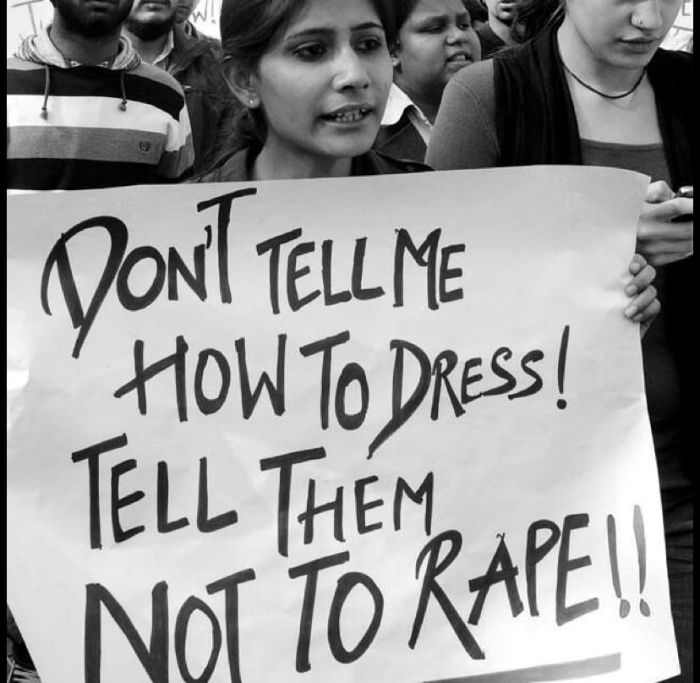
When news of a rape case breaks, the questions often begin almost immediately. What was she wearing? Why was she out so late? Why did she go there? Did she fight back? Why didn’t she report it sooner? These questions may seem harmless to some, but they reveal a deeply rooted problem in many societies: victim blaming.
Victim blaming occurs when responsibility for a crime is shifted, wholly or partially, from the perpetrator to the person who experienced the harm. In rape cases, this mindset not only deepens the survivor’s trauma but also discourages countless others from speaking up.
Understanding Victim Blaming
Rape is a crime of violence, coercion, and the absence of consent. Yet, instead of focusing on the actions of the perpetrator, public conversations often scrutinize the survivor’s behavior.
Instead of asking why someone chose to commit such a violation, attention is diverted to the survivor’s clothing, lifestyle, whereabouts, or decisions leading up to the assault. This shift in focus is both unfair and damaging because it places the burden of the crime on the wrong person.
The Emotional and Social Impact on Survivors
The consequences of victim blaming extend far beyond public opinion. Survivors often experience overwhelming feelings of shame, guilt, anxiety, and isolation. Rather than finding comfort and support, many are met with suspicion or judgment. As a result, some choose not to report the assault, avoid seeking medical attention, or suffer in silence because they fear they will not be believed. The emotional burden of surviving sexual violence is heavy enough without society adding blame to it.
Victim blaming also affects families and communities. When survivors witness others being ridiculed or doubted, they may decide that staying silent feels safer than seeking justice. This culture of silence allows perpetrators to escape accountability and contributes to the continued underreporting of sexual violence.
The Myths That Sustain Victim Blaming
Many of the attitudes that fuel victim blaming are rooted in harmful myths. One of the most persistent is the belief that clothing can provoke rape. In reality, people of every age, gender, culture, and style of dress have experienced sexual assault. Clothing does not cause rape; the perpetrator’s decision to ignore another person’s autonomy does.
Another misconception is that a lack of physical injuries means an assault did not occur. Trauma affects people differently, and fear, intimidation, threats, or incapacitation can prevent someone from resisting physically. Similarly, delayed reporting is often misunderstood as evidence that an allegation is false. In truth, trauma can affect memory, emotions, and decision-making, causing survivors to take months or even years before they feel able to come forward. It is also important to recognize that many perpetrators are not strangers. In numerous cases, sexual assault is committed by someone the survivor knows and may have trusted.
Changing the Narrative
Changing this narrative requires a collective shift in perspective. Society must understand that consent is voluntary, informed, and ongoing. It cannot be assumed, forced, manipulated, or taken for granted. Every individual deserves to have their boundaries respected, regardless of their appearance, relationship status, or personal choices.
Families, schools, workplaces, communities, and the media all have a role to play in ending victim blaming. Survivors should be met with empathy rather than interrogation, and public conversations should focus on accountability rather than judgment. Responsible reporting, comprehensive education about consent, and open discussions about respect and healthy relationships can help challenge the attitudes that allow victim blaming to persist.
Creating a safer society begins with changing the questions we ask. Instead of asking why a survivor was in a particular place or wearing certain clothes, we should ask why someone believed they had the right to violate another person’s body and dignity. That is where responsibility lies.
Holding perpetrators accountable while treating survivors with fairness and compassion strengthens trust in the justice system and encourages more people to seek help. At the same time, fairness also requires that allegations be investigated thoroughly and impartially so that justice is pursued through evidence and due process.


Comments