


Digital Archaeology: What Future Historians Will Learn from Our Deleted Files

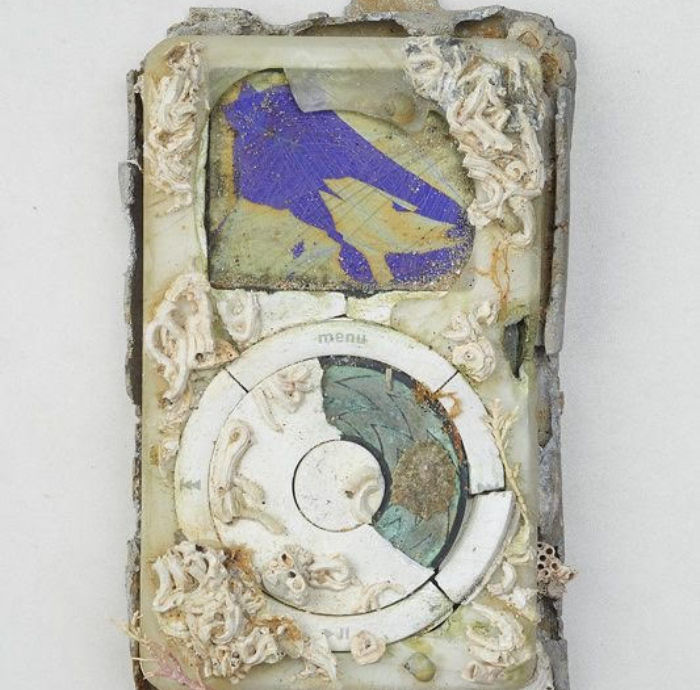
For centuries, archaeologists have pieced together human history from pottery fragments, buried cities, faded manuscripts, and forgotten artifacts. But what will historians of the future study when they seek to understand our era? The answer may not lie in museums or ruins but in the vast digital footprints we leave behind every day, including the files we believe we have deleted.
Welcome to the emerging field of digital archaeology, where researchers examine digital remnants to reconstruct the story of human life in the Information Age.
Deleted Data
Most people assume that when they delete a file, it disappears forever. In reality, deletion removes only the reference to the data, while the information itself remains stored until it is replaced by new data. This means that emails, photographs, social media posts, documents, browsing histories, and even abandoned drafts can survive long after users believe they are gone.
Future historians may view these digital traces as modern equivalents of ancient artifacts. A deleted text message could reveal social relationships, while an abandoned document might show how people developed ideas, made decisions, or responded to major events.
Traditional historical records focus on rulers, governments, and major institutions. Digital archaeology offers something different: a glimpse into ordinary lives.
Imagine historians in the year 2200 recovering fragments of:
· Family photographs stored in cloud backups
· Unsent emails and draft messages
· Personal journals kept on smartphones
· Online shopping histories
· Social media conversations
· Location records from digital devices
Together, these records could provide an unprecedented understanding of how people lived, worked, communicated, and entertained themselves during the early twenty first century.
Behind the Drafts
Sometimes the most revealing artifacts are not the final products but the unfinished ones. Deleted drafts of articles, business proposals, or creative projects can reveal how people thought through problems and refined their ideas. Just as scholars study early drafts of famous novels today, future researchers may analyze multiple versions of digital documents to understand the evolution of culture, politics, and technology.
The discarded version of a speech, for example, might reveal more about a leader’s intentions than the polished version delivered to the public.
Social Media as a Historical Archive
Social media platforms have become vast repositories of human behavior. Every post, comment, like, and shared image contributes to a collective record of society.
Even deleted content may leave traces through backups, screenshots, archives, or platform storage systems. Future historians could use these records to study public reactions to global events, social movements, cultural trends, and everyday experiences.
What newspapers were to earlier centuries, social media may become for our era: a primary source of historical evidence.
Challenges for Future Digital Archaeologists
· Digital archaeology is not without obstacles.
Unlike stone tablets or paper documents, digital information is fragile. Files can become inaccessible as software becomes obsolete, storage devices fail, or encryption keys are lost. Historians may encounter periods where large amounts of information become unreadable because of technological change.
Another challenge is volume. Future researchers may face the opposite problem of traditional archaeologists. Instead of having too little information, they may have far too much. Sorting meaningful data from billions of records will require advanced artificial intelligence and sophisticated analytical tools.
· Privacy and Ethical Questions
The possibility of recovering deleted files raises important ethical concerns. Should future historians have access to personal information that individuals intended to erase? Where should society draw the line between preserving history and respecting privacy?
These questions are already shaping discussions about digital preservation, data ownership, and the right to be forgotten. The choices we make today may determine what future generations can learn about us tomorrow.
What Will Our Digital Legacy Say About Us?
Every generation leaves behind evidence of its existence. Ancient civilizations left temples and monuments. We leave data. Our emails, photographs, cloud backups, search histories, and deleted files collectively form a digital portrait of humanity. Future historians may use these fragments to understand our fears, ambitions, relationships, innovations, and daily routines in ways that previous generations could never imagine. The irony is striking. The files we try hardest to erase may become some of the most valuable historical artifacts of the future.
Digital archaeology is transforming the concept of historical evidence. As society becomes increasingly digital, the remnants of our online lives will become the artifacts that future generations study to understand who we were. Deleted files, forgotten accounts, and abandoned digital spaces may one day reveal as much about our civilization as ancient ruins reveal about theirs.
In the end, history may remember us not through monuments of stone but through traces of data preserved beneath the surface of the digital world.


Comments