


High Blood Pressure: Why the “Silent Killer” Deserves Your Attention


High blood pressure continues to be one of the biggest health threats globally, yet many people still underestimate its danger. Often referred to as the “silent killer,” high blood pressure, also known as hypertension, usually develops without noticeable symptoms.
Many individuals only discover they have it after experiencing serious complications such as heart disease, stroke, or kidney failure.
According to global health statistics, nearly 1.4 billion people worldwide are living with hypertension, and a significant number remain undiagnosed. This alarming reality highlights the importance of awareness, regular screening, and healthier lifestyle choices.
Why High Blood Pressure Is Called the Silent Killer
One of the most dangerous aspects of high blood pressure is its ability to damage the body quietly over time. Unlike some illnesses that show obvious warning signs, hypertension may not cause pain or discomfort in its early stages.
While a person may feel completely healthy, uncontrolled blood pressure can slowly weaken blood vessels and vital organs. Over time, this increases the risk of:
Heart attacks
Stroke
Heart failure
Kidney disease
Vision problems
Premature death
This is why medical experts consistently emphasize the need for routine blood pressure checks, even when you feel perfectly fine.
The Importance of Regular Blood Pressure Checks
World Hypertension Day, observed every year on May 17, serves as a global reminder that prevention starts with awareness. A simple blood pressure test can provide life-saving information and help individuals take early action before complications occur.
Checking your blood pressure regularly helps to:
Detect hypertension early
Monitor your heart health
Prevent severe complications
Improve treatment outcomes
Encourage healthier living habits
Early diagnosis gives patients a better chance to manage the condition effectively through lifestyle changes and proper medical care.
Healthy Habits That Help Prevent High Blood Pressure
The good news is that high blood pressure can often be prevented or controlled through simple daily habits. Small lifestyle improvements can significantly reduce health risks and improve overall well-being.
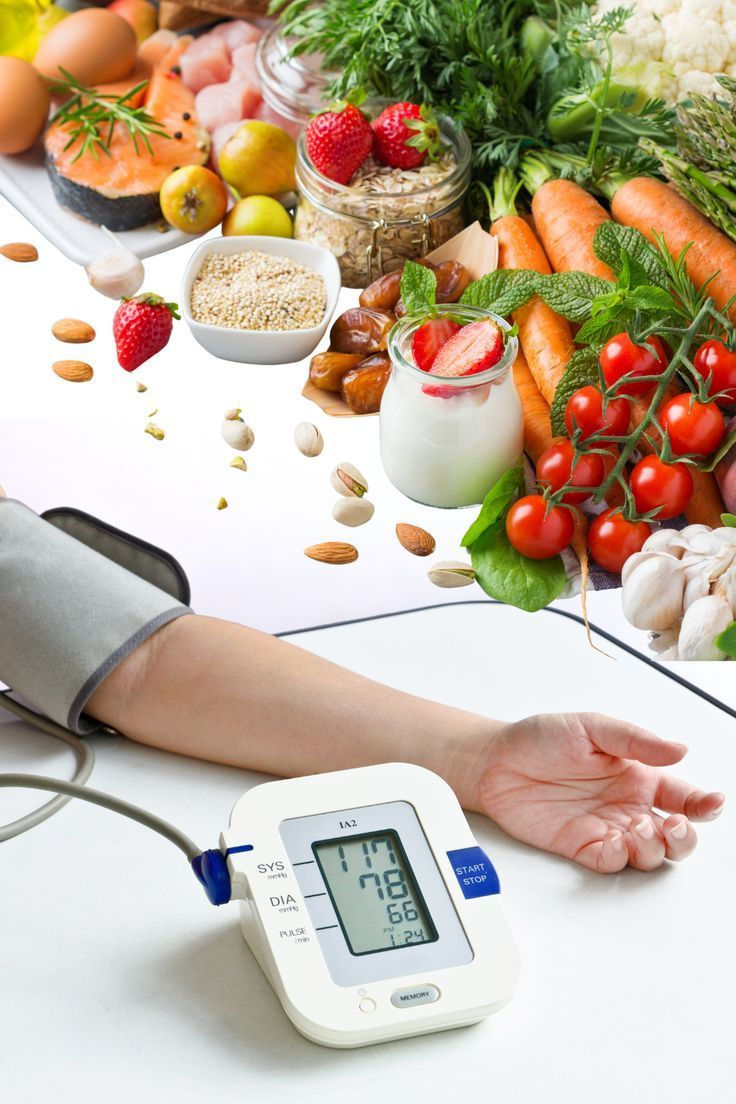
Healthy Habits for Managing High Blood Pressure
Eat Healthier Foods
Reducing salt intake and eating more fruits, vegetables, whole grains, and lean proteins can support healthier blood pressure levels. Processed foods high in sodium should be limited whenever possible.
Stay Physically Active
Regular physical activity helps strengthen the heart and improve blood circulation. Even simple exercises like walking, dancing, or cycling can make a major difference.
Avoid Tobacco Use
Smoking damages blood vessels and increases blood pressure. Quitting tobacco products can greatly improve heart health and reduce long-term risks.
Reduce Alcohol Consumption
Excessive alcohol intake can contribute to hypertension. Drinking in moderation supports healthier blood pressure control.
Follow Medical Advice
For people already diagnosed with hypertension, taking prescribed medications consistently is essential. Treatment only works effectively when patients follow their doctor’s recommendations carefully.
Families and Communities Have a Role to Play
Fighting hypertension is not just an i
ividual responsibility. Families, communities, healthcare workers, and governments all play important roles in spreading awareness and encouraging healthier lifestyles.
Communities can support prevention efforts by:
Promoting regular health screenings
Encouraging healthy eating habits
Creating opportunities for physical activity
Educating people about hypertension risks
Supporting individuals living with chronic illnesses
Public health campaigns and community education can help more people understand the seriousness of hypertension before it becomes life-threatening.
High blood pressure may be silent, but its consequences can be devastating if ignored. Millions of people around the world are living with hypertension without realizing it, placing them at risk of serious health complications.
The message from health experts remains clear: know your numbers, check your blood pressure regularly, and take simple steps toward a healthier lifestyle. Early detection and proper management can save lives and protect families from preventable tragedies.
Protect your heart today because prevention is always better than cure.
By Deborah O.D Igberi


Comments