


Meningitis on the Rise: Nigeria Faces a Seasonal Health Risk

As the dry season settles in across Nigeria, there’s growing concern about a familiar but dangerous illness, meningitis. It’s one of those diseases people hear about every year, yet many still don’t fully understand how serious it can be until it starts affecting people around them.
The Nigeria Centre for Disease Control and Prevention (NCDC) has pointed out that this period, marked by dust and dry air, is when cases tend to increase. The environment itself creates conditions that make the infection easier to spread.
What Exactly Is Meningitis?
Meningitis is an infection that affects the protective membranes covering the brain and spinal cord. These membranes play a crucial role in shielding the central nervous system, so when they become inflamed, the effects can be severe.
In Nigeria, the most common and dangerous cases are linked to bacterial infections. These bacteria are often found in the nose and throat and can be passed from one person to another through respiratory droplets. This means that everyday interactions, talking closely, coughing, sneezing, or even sharing personal items, can lead to transmission.
One of the reasons meningitis is taken seriously is the speed at which it can develop. Unlike some illnesses that take days to worsen, meningitis can escalate within hours.
Why It’s Easy to Ignore at First
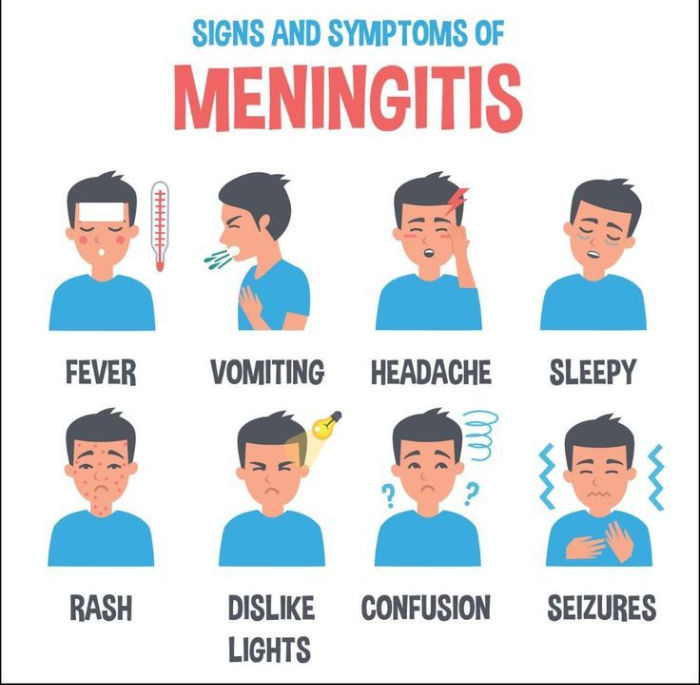
The early stage of meningitis does not always come with clear warning signs. Symptoms like fever, headache, tiredness or body pain are common and can easily be mistaken for less serious illnesses.
In a country where malaria is widespread, many people assume that any fever-related illness is malaria. This often leads to self-medication or delayed hospital visits. While this approach might work for minor health issues, it becomes risky when dealing with meningitis.
As the infection progresses, the symptoms become more specific and more severe. A stiff neck, difficulty concentrating, confusion, and sensitivity to light begin to appear. In more advanced cases, seizures or loss of consciousness can occur.
By the time these symptoms show up, the illness has already progressed significantly, which is why early recognition is so important.
How the Dry Season Creates the Right Conditions
The dry season brings with it more than just heat and discomfort. The air becomes filled with dust particles that affect the respiratory system.
Constant exposure to dust can irritate and damage the lining of the nose and throat. This weakens the body’s natural defense system, making it easier for harmful bacteria to enter.
At the same time, the weather influences how people live and interact. Many people spend more time indoors to avoid the harsh conditions outside. In doing so, they often stay in enclosed spaces where ventilation is poor.
When people gather in such conditions, close contact, limited airflow and weakened immunity, the chances of infection spreading increase significantly.
Certain environments naturally carry a higher risk when it comes to meningitis. These are places where people are in close contact for extended periods. Hostels and boarding schools are common examples, especially where students share rooms and facilities. Religious centres, offices and crowded homes can also create similar conditions.
The issue is not always about cleanliness. Even a clean space can become a risk if there is overcrowding and poor ventilation. Once an infected person is in that environment, others can easily be exposed.
One of the biggest challenges with meningitis is how people respond to the early symptoms. It is common to wait, hoping the illness will pass, or to rely on over-the-counter medication.
In many cases, people visit chemists instead of going directly to a hospital. While this might seem convenient, it can delay proper diagnosis and treatment.
Meningitis does not give much room for delay. Early medical intervention, especially with bacterial meningitis, can significantly improve outcomes. But when treatment is delayed, the risk of complications increases.
This is why any unusual or persistent symptoms, especially those that do not respond to initial treatment, should be taken seriously.
Everyday Habits That Can Reduce the Risk
Reducing the risk of meningitis does not always require major changes. Small, consistent habits can make a difference.
Keeping rooms well-ventilated helps reduce the concentration of airborne dews. Opening windows and allowing fresh air in can improve airflow and lower the risk of transmission.
Avoiding overcrowded spaces, especially during peak dry season, can also help. Where it is not possible to avoid such places, maintaining personal hygiene becomes even more important.
Simple practices like not sharing cups, plates, or utensils can reduce the chances of spreading infection. Regular handwashing and covering the mouth when coughing or sneezing are also important.
Vaccination is another effective preventive measure. It provides protection against certain strains of meningitis, although many people are still not fully aware of its availability or importance.
Why Awareness Still Matters
Meningitis continues to recur not just because of environmental conditions, but also because awareness is still limited in many communities.
A lot of people know the name but do not fully understand how the disease spreads or how quickly it can become serious. This gap in knowledge often leads to delayed action.
Improving awareness means more people can recognise the symptoms early and seek medical help before the condition worsens. It also encourages preventive practices that reduce the overall risk.
During the dry season, paying closer attention to symptoms, especially those that seem unusual or persistent, is important. Acting quickly when something feels wrong can prevent complications.
In many situations, early diagnosis and treatment are what determine the outcome. Taking symptoms seriously and seeking proper medical care without delay can make all the difference.


Comments